
with Rustic Pineapple-Cilantro Sauce
Table of Contents: Skillet-Roasted Chicken Breasts with Rustic Pineapple-Cilantro Sauce
Table of Contents: Skillet-Roasted Chicken Breasts with Rustic Pineapple-Cilantro Sauce
Introduction
Skillet-roasted chicken breasts are one of the most dependable yet underrated dishes in home cooking. While chicken breasts are often labeled as dry, boring, or flavorless, those results usually come from improper cooking techniques rather than the ingredient itself. When prepared correctly, chicken breasts can be incredibly juicy, tender, and packed with flavor. The key lies in understanding heat control, timing, and pairing the chicken with ingredients that enhance—not overpower—it.
This recipe uses a skillet-roasting method, which combines the best aspects of stovetop searing and oven roasting. The result is a golden, flavorful crust on the outside and moist, succulent meat on the inside. What truly makes this dish special, however, is the rustic pineapple-cilantro sauce. Bright, slightly sweet, herbaceous, and tangy, this sauce creates contrast and balance, transforming a simple chicken dinner into something vibrant and memorable.
Perfect for weeknight dinners, meal prep, or casual entertaining, this dish is naturally gluten-free, dairy-free, and adaptable to a variety of eating styles. If you’re looking for a reliable chicken recipe that feels fresh, exciting, and satisfying, this is one you’ll return to again and again.
What Makes Skillet-Roasted Chicken Breasts So Effective?
Chicken breasts are lean, which means they contain very little fat. While this makes them healthy, it also makes them vulnerable to drying out. The skillet-roasting technique solves this problem by controlling how heat is applied throughout the cooking process.
The Science Behind Skillet-Roasting
- High heat at the beginning triggers the Maillard reaction, creating deep flavor and browning
- Oven finishing cooks the interior gently and evenly
- Residual heat allows carryover cooking without moisture loss
Unlike baking alone, which slowly dries the chicken, or grilling, which can create hot spots, skillet-roasting provides precision and consistency.
Advantages Over Other Methods
- Baking only:
- Pale exterior
- Less flavor development
- Grilling:
- Risk of dryness
- Uneven cooking
- Pan-only cooking:
- Overcooked exterior
- Undercooked center
With skillet-roasting, you gain the benefits of all methods without their drawbacks.
Ingredient Deep Dive: Chicken Breasts
Choosing the Right Chicken
For the best skillet-roasted chicken breasts, start with quality poultry:
- Boneless, skin-on chicken breasts for maximum juiciness
- Medium-sized breasts (8–10 oz each)
- Similar thickness to ensure even cooking
- Fresh, air-chilled chicken when possible
Skin-on chicken is especially beneficial here. The skin protects the meat during cooking, renders flavorful fat, and creates a crisp texture that contrasts beautifully with the sauce.
Preparing Chicken for Success
Proper preparation is just as important as cooking:
- Pat chicken dry to remove surface moisture
- Trim excess fat or loose skin
- Season generously with salt and pepper
- Let chicken rest at room temperature for 15 minutes
This preparation ensures better browning, even cooking, and improved flavor.
The Star Element: Rustic Pineapple-Cilantro Sauce
The pineapple-cilantro sauce is what elevates this dish from comforting to exciting. Unlike smooth sauces or marinades, this rustic preparation keeps ingredients chunky and fresh, allowing each component to shine.
Why Pineapple Pairs Perfectly with Chicken
- Natural sweetness balances savory flavors
- Bright acidity cuts through richness
- Juicy texture complements roasted meat
- Works well with herbs, garlic, and spices
Fresh pineapple is ideal for this recipe, offering crisp texture and clean sweetness. However, well-drained canned pineapple can be used when fresh isn’t available.
The Role of Cilantro
Cilantro adds:
- Herbal freshness
- Light citrus notes
- Color contrast
If cilantro isn’t your favorite, parsley or basil can be substituted, though the flavor profile will shift slightly.
Supporting Ingredients That Matter
- Garlic: Adds savory depth
- Onion: Soft sweetness
- Lime juice: Bright acidity
- Pan drippings: Rich umami
Together, these ingredients create a sauce that feels fresh, bold, and perfectly balanced.
Essential Tools for Perfect Results
You don’t need fancy equipment, but the right tools make a difference.
Recommended Kitchen Tools
- Oven-safe skillet (cast iron preferred)
- Instant-read meat thermometer
- Tongs
- Sharp chef’s knife
- Cutting board
- Mixing bowl
A cast iron skillet is ideal because it retains heat evenly and transitions seamlessly from stovetop to oven.
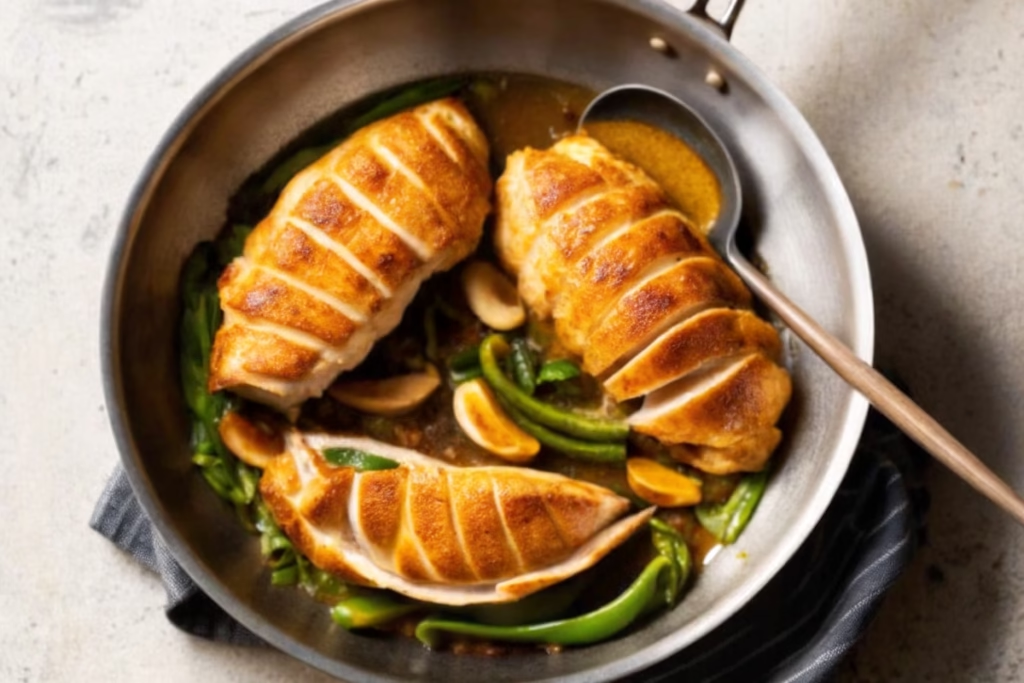
Step-by-Step Cooking Instructions
Step 1: Prepare the Chicken
- Pat chicken breasts dry with paper towels
- Season generously on both sides with:
- Salt
- Black pepper
- Optional paprika or garlic powder
Step 2: Sear the Chicken
- Heat skillet over medium-high heat
- Add oil with a high smoke point
- Place chicken skin-side down
- Do not move for 5–7 minutes
- Flip once skin is deeply golden
This step locks in moisture and creates flavor.
Step 3: Oven Finish
- Transfer skillet directly to a 400°F (200°C) oven
- Roast for 12–18 minutes, depending on thickness
- Cook until internal temperature reaches 165°F (74°C)
Step 4: Rest the Chicken
- Remove from oven
- Let rest for 5–10 minutes
Resting allows juices to redistribute throughout the meat.
Step 5: Prepare the Sauce
- Combine pineapple, cilantro, garlic, onion, and lime juice
- Stir in warm pan drippings
- Taste and adjust seasoning
Pro Tips for Juicy, Flavorful Chicken
- Always start with dry chicken
- Avoid overcrowding the skillet
- Use a thermometer instead of guessing
- Rest meat before slicing
- Spoon sauce on just before serving
These small details consistently separate average chicken from exceptional chicken.
Flavor Variations & Customizations
This recipe is highly adaptable.
Spicy Versions
- Add minced jalapeño
- Use red pepper flakes
- Finish with hot sauce
Tropical Variations
- Swap pineapple for mango or papaya
- Add grated ginger
- Sprinkle toasted coconut
Diet-Friendly Adjustments
- Low-carb: Serve with cauliflower rice
- Whole30: Skip sweeteners
- Keto: Reduce pineapple portion
Alternative Proteins
- Pork chops
- Shrimp
- Firm tofu or tempeh
Serving Suggestions & Presentation Ideas
Starch Pairings
- Coconut rice
- Cilantro-lime rice
- Roasted potatoes
- Quinoa
Vegetable Pairings
- Roasted asparagus
- Sautéed green beans
- Grilled zucchini
- Roasted cauliflower
Fresh Sides
- Simple green salad
- Tomato-lime slaw
- Cucumber-avocado salad
For entertaining, slice the chicken and spoon sauce over the top for a polished presentation.
Meal Prep, Storage & Reheating
Storage Guidelines
- Store chicken and sauce separately
- Refrigerate up to 4 days
- Freeze chicken (without sauce) up to 2 months
Reheating Tips
- Reheat gently in a skillet with a splash of broth
- Cover while reheating to retain moisture
- Avoid high microwave heat
This dish is ideal for meal prep and maintains excellent texture when reheated properly.
Nutritional Overview & Health Benefits
This recipe balances flavor and nutrition beautifully.
Nutritional Highlights
- High in lean protein
- Naturally gluten-free
- Dairy-free
- Rich in vitamin C
- Balanced macronutrients
Health Benefits
- Chicken supports muscle repair and satiety
- Pineapple provides antioxidants
- Cilantro contains beneficial phytonutrients
- Supports clean eating and weight management
FAQs – People Also Ask
How do you keep chicken breasts from drying out?
Use skillet-roasting, monitor internal temperature, and allow the chicken to rest before slicing.
Can I use canned pineapple?
Yes, but fresh pineapple offers better flavor and texture.
What pan works best?
Cast iron or heavy stainless steel pans work best.
Can I make this recipe ahead of time?
Yes, store chicken and sauce separately and combine before serving.
Is pineapple-cilantro sauce spicy?
No, unless you add chilies or hot sauce.
Can I make this without cilantro?
Yes, parsley or basil work well as substitutes.
Final Thoughts
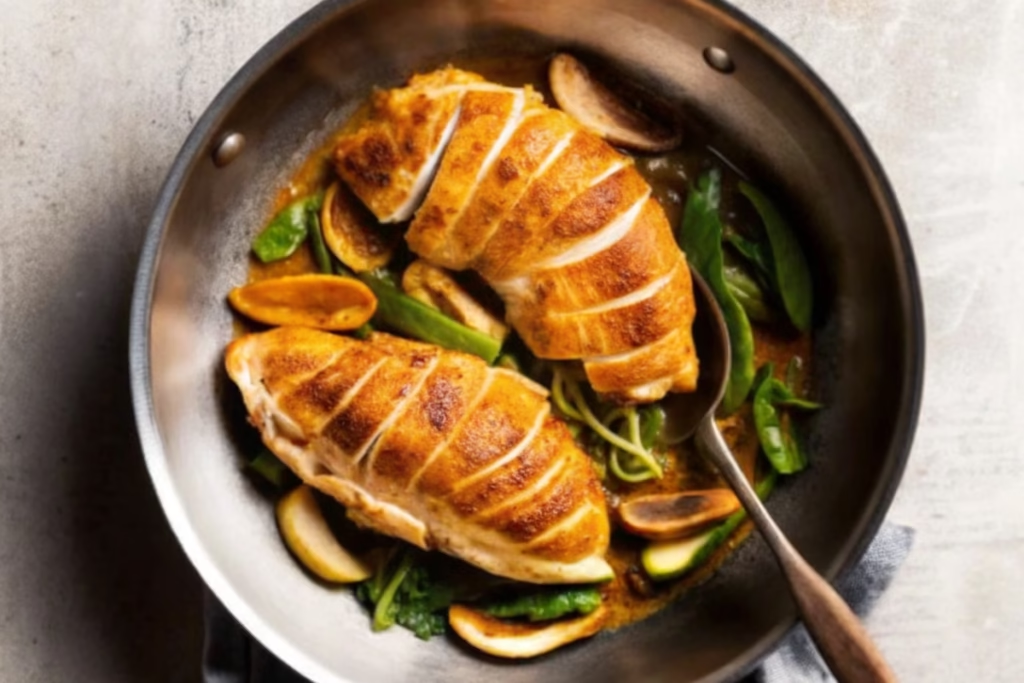
Skillet-roasted chicken breasts with rustic pineapple-cilantro sauce are proof that simple techniques and fresh ingredients can create extraordinary results. This dish delivers juicy, flavorful chicken paired with a bright, tropical sauce that feels both comforting and exciting.
It’s versatile, nutritious, and impressive without being complicated. Whether you’re cooking for yourself, your family, or guests, this recipe deserves a permanent place in your rotation. Master this method once, and you’ll never look at chicken breasts the same way again.
PrintSkillet-Roasted Chicken Breasts
- Total Time: 17 minutes
- Yield: 4 portions 1x
Description
Des poitrines de poulet tendres et juteuses, rôties à la poêle avec des herbes et épices, pour un repas rapide et savoureux.
Ingredients
- 4 poitrines de poulet désossées et sans peau
- 2 cuillères à soupe d’huile d’olive
- 1 cuillère à café de paprika
- 1 cuillère à café d’ail en poudre
- Sel et poivre au goût
- Herbes fraîches pour garnir (thym ou persil)
Instructions
- Préchauffer une grande poêle à feu moyen-élevé.
- Assaisonner les poitrines de poulet avec le sel, le poivre, le paprika et l’ail en poudre.
- Ajouter l’huile d’olive dans la poêle chaude.
- Faire dorer le poulet 5 à 6 minutes de chaque côté jusqu’à ce qu’il soit bien cuit.
- Réduire le feu à moyen et couvrir la poêle pendant 2 à 3 minutes pour s’assurer que l’intérieur reste juteux.
- Retirer du feu et laisser reposer 5 minutes.
- Garnir d’herbes fraîches avant de servir.
Notes
Pour un goût supplémentaire, vous pouvez déglacer la poêle avec un peu de bouillon de poulet ou de vin blanc après la cuisson.
- Prep Time: 5 minutes
- Cook Time: 12 minutes
- Category: Plat Principal
- Method: À la Poêle
- Cuisine: Américaine
Nutrition
- Serving Size: 1 portion
- Calories: 280
- Sugar: 0g
- Sodium: 150mg
- Fat: 14g
- Saturated Fat: 3g
- Unsaturated Fat: 10g
- Trans Fat: 0g
- Carbohydrates: 0g
- Fiber: 0g
- Protein: 38g
- Cholesterol: 105mg
Keywords: skillet chicken, poitrines de poulet, poêle, rapide, juteux


