Table of Contents: Hungarian Chicken Paprikash Recipe
Table of Contents: Hungarian Chicken Paprikash Recipe
If there were ever a dish that captured the soul of Hungary in one spoonful, it would be Chicken Paprikash. Known locally as Paprikás Csirke, this creamy, paprika-infused stew brings warmth, nostalgia, and depth of flavor to every bite. It’s the kind of food that makes the kitchen smell like home, even if you’ve never been to Budapest.
Across Central Europe, Paprikash is a dish of love — humble yet unforgettable. It’s built on slow-cooked onions, sweet Hungarian paprika, and tender chicken simmered until the sauce turns into pure silk.
If you’ve ever tasted creamy comfort dishes like Creamy Mushroom and Spinach Stuffed Chicken, then you already know: when cream meets spice, magic happens.
🧑🍳 What Exactly Is Paprikás Csirke?
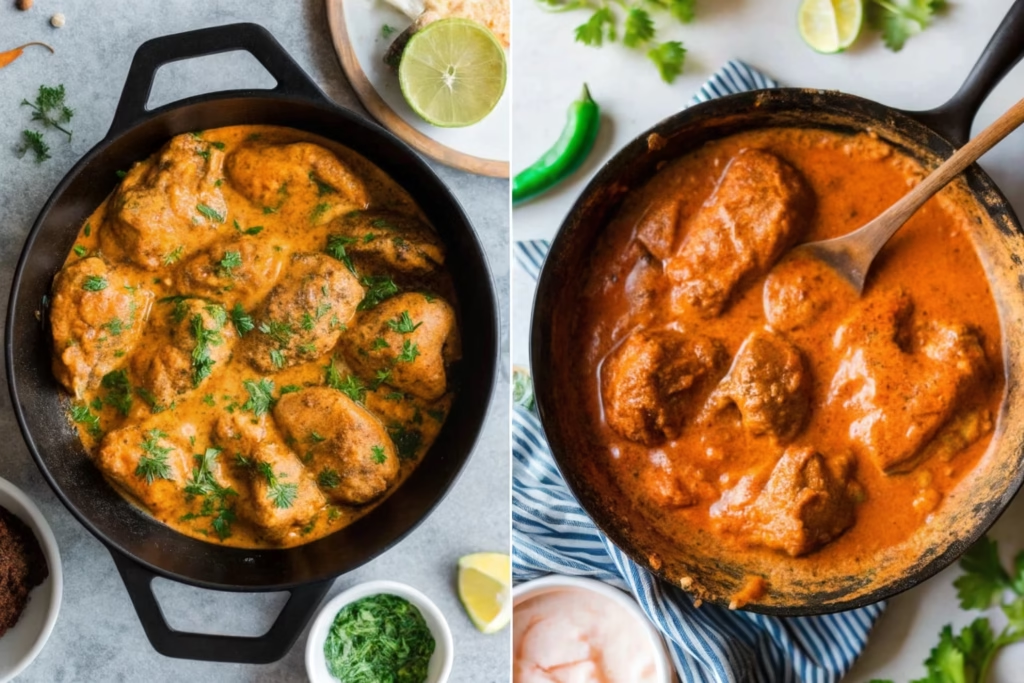
At its heart, Paprikash is a simple country-style chicken stew. Yet, within that simplicity lies genius. The core of the dish is paprika, which transforms mild chicken into something deeply flavorful and comforting.
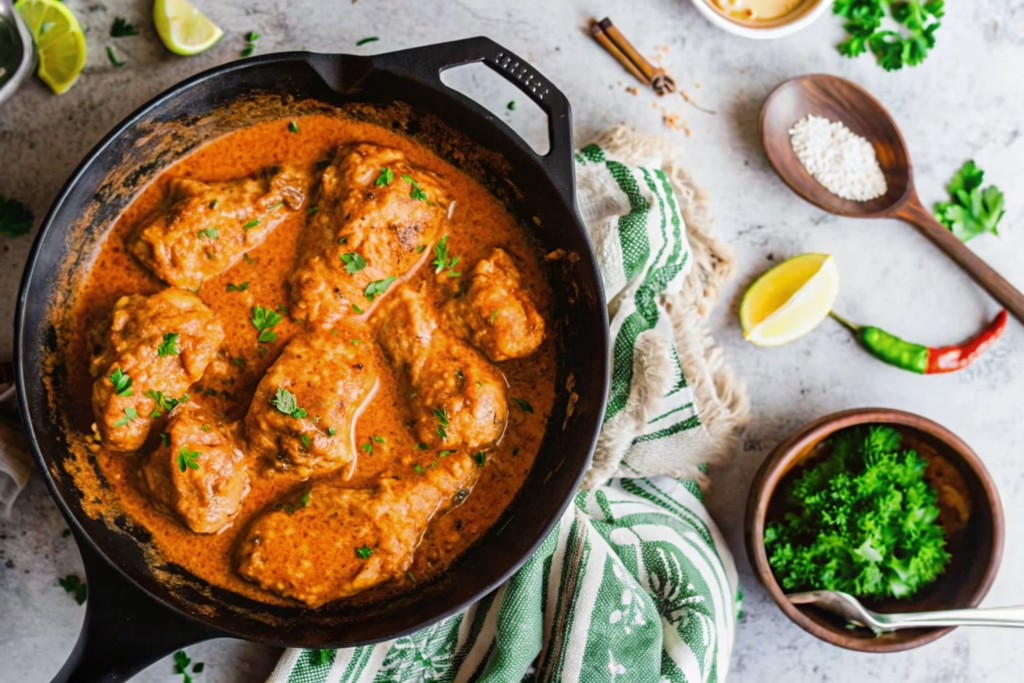
The sauce is thick but not heavy, rich but not cloying, smoky but still bright. It clings to every piece of chicken and begs for a side of nokedli — those tiny Hungarian dumplings that soak up all that glorious sauce.
In every household, Paprikash tastes slightly different. Some cooks add tomatoes, others a splash of cream, and a few swear by using only thighs and drumsticks. That flexibility is part of its charm: no two Paprikash pots taste exactly the same.
🇭🇺 A Short Culinary History
Chicken Paprikash is one of the cornerstones of Hungarian cuisine, alongside gulyás (goulash) and pörkölt (a thicker stew). These dishes grew from rural cooking traditions—families working the land, cooking over open fires, and using what was available: onions, chicken, fat, and the ever-present paprika.
By the 19th century, paprika had become Hungary’s national spice. Farmers from the Szeged and Kalocsa regions perfected the drying and grinding of red peppers, producing paprika with incredible color and sweetness.
The dish was often served at Sunday family gatherings, symbolizing abundance and care. Over time, it traveled beyond Hungary’s borders, reaching kitchens in Austria, Germany, and later, America — where it became a beloved comfort food.
To understand its roots, you can explore this Hungarian paprika history guide explaining why paprika became Hungary’s pride and culinary signature.
🌶 The Magic of Paprika
Without paprika, there is no Paprikash. But not all paprika is created equal.
🔸 Types of Hungarian Paprika
- Édes (Sweet Paprika) – Mild, fragrant, and slightly fruity.
- Csípős (Hot Paprika) – Adds gentle heat without bitterness.
- Füstölt (Smoked Paprika) – A modern twist; adds smoky undertones.
- Rózsa (Rose Paprika) – Bright red, delicately flavored; prized for its aroma.
Good paprika blooms when it meets warm fat — that’s why Hungarian cooks always remove the pot from heat before adding it. Overheating destroys the spice’s delicate sweetness and turns it bitter.
If you’ve ever enjoyed Mediterranean dishes like Greek Chicken with Lemon and Feta, you’ll recognize the same balance between richness and acidity that defines Hungarian cooking.
🧄 Gather Your Ingredients
Before we cook, let’s make sure everything is prepped. Authentic Paprikash doesn’t need fancy ingredients — just fresh, honest ones.
| Ingredient | Amount | Note |
|---|---|---|
| Chicken thighs & drumsticks | 3 lbs | Bone-in for flavor |
| Pork lard or butter | 2 tbsp | Traditional cooks use lard |
| Onions | 2 large | Finely chopped |
| Garlic | 2 cloves | Crushed |
| Sweet Hungarian paprika | 3–4 tbsp | The star |
| Tomato | 1 medium | Adds acidity |
| Green pepper | 1 small | Optional but authentic |
| Chicken broth | 2 cups | Homemade preferred |
| Sour cream | ¾ cup | Full-fat for creaminess |
| Heavy cream | ¼ cup | For silkier sauce |
| Flour | 3 tbsp | To thicken sauce |
| Salt & pepper | To taste | Always adjust at the end |
💡 Tip: Avoid smoked paprika unless you want a modern twist — the traditional recipe calls for sweet Hungarian paprika only.
🔥 Step-by-Step Cooking Method
1️⃣ Brown the Chicken
Start by patting your chicken dry — moisture prevents browning. Heat lard or butter in a heavy pot and sear the chicken pieces on all sides until golden. Remove and set aside.
That golden layer at the bottom of your pot? That’s flavor gold — don’t lose it.
2️⃣ Build the Flavor Base
Add chopped onions to the same pot and cook low and slow until they turn translucent and caramel-colored. This can take up to 15 minutes — it’s worth it. Stir in minced garlic and diced tomato.
3️⃣ Add Paprika (Off the Heat!)
Now, remove the pot from the heat. Sprinkle in the paprika, stirring quickly to coat the onions. This step unlocks the deep red hue and sweetness without bitterness.
4️⃣ Simmer to Perfection
Return the chicken to the pot, pour in broth, and season lightly. Cover and let it simmer gently for 40–50 minutes. The sauce will thicken naturally as the chicken releases collagen and flavor.
5️⃣ Make It Creamy
In a small bowl, mix sour cream, flour, and heavy cream. Temper the mixture by whisking in a ladle of hot broth, then slowly stir it into the pot. Simmer gently (do not boil) until the sauce thickens and turns glossy.
6️⃣ Taste and Adjust
Season again. The flavor should be creamy, slightly sweet, and rich with paprika.
🍽 How to Serve Paprikash
Traditionally, Chicken Paprikash is served with nokedli — soft egg dumplings similar to spaetzle. But it’s also amazing with:
- Buttered egg noodles
- Fluffy white rice
- Mashed potatoes
- Rustic crusty bread
Top each serving with a spoon of sour cream and fresh parsley. Pair it with a crisp cucumber salad or tangy pickles to cut through the richness.
If you’re in the mood for another cozy, one-pan dinner idea, check out Easy Honey Glazed Chicken One-Pan Dinner — the sweet glaze complements the spicy paprika beautifully.
🧠 Pro Chef Tips for Perfection
- Use thighs or drumsticks, not breast meat — they stay moist during long cooking.
- Caramelize onions deeply for flavor depth.
- Avoid overheating paprika — it burns easily.
- Balance fat and cream — too little makes the sauce dull, too much makes it heavy.
- Let it rest for 10 minutes before serving; the sauce thickens as it cools.
🍷 Pairing Ideas: Drinks & Sides
Hungarians traditionally enjoy Paprikash with light, crisp beverages that balance the richness:
- Tokaji Dry Furmint – A white wine from Hungary, slightly fruity and acidic.
- Pilsner Beer – A great casual pairing.
- Sparkling Water with Lemon – Cleanses the palate perfectly.
For sides, think fresh and crunchy:
- Cucumber salad with dill and vinegar
- Cabbage slaw with sour cream dressing
- Roasted potatoes or steamed green beans
🌍 Paprikash Around the World
As Paprikash spread beyond Hungary, it inspired local variations:
- Austria: Uses creamier sauce and parsley dumplings.
- Slovakia: Often adds spicy paprika and bacon.
- Germany: A lighter version served with spätzle.
- United States: Sometimes made with boneless chicken and smoked paprika.
The beauty of this dish lies in its adaptability — it fits every table, from rustic farmhouse kitchens to fine-dining menus.
🧩 Related Global Chicken Favorites
Across the world, every culture has its version of “comfort chicken.”
Try exploring these global variations from FreshPlatez for inspiration:
- Creamy Mushroom and Spinach Stuffed Chicken – a rich, restaurant-style meal.
- Classic Chicken Vegetable Soup Recipe – a bowl of soothing warmth.
- Greek Chicken with Lemon and Feta – bright and citrusy.
- Easy Honey Glazed Chicken One-Pan Dinner – quick yet indulgent.
- Filipino Chicken Barbecue Recipe – smoky and tropical.
Each celebrates what Paprikash stands for: home, comfort, and community.
❓ Frequently Asked Questions (FAQs)
1. What’s the difference between Paprikash and Goulash?
Goulash is a beef stew with caraway and no sour cream, while Paprikash is chicken-based and creamy.
2. Can I make it vegetarian?
Yes! Replace chicken with mushrooms or tofu and use vegetable broth.
3. How can I prevent curdling?
Temper the sour cream and never boil it directly — gentle heat is key.
4. What sides pair best?
Nokedli, egg noodles, or rice absorb the sauce beautifully.
5. Can I meal-prep Paprikash?
Absolutely — the flavor deepens overnight. Refrigerate for up to 3 days or freeze for 2 months.
6. Is it spicy?
Only if you use hot paprika. The traditional version is mild and sweet.
7. Can I use boneless chicken?
Yes, but you’ll lose some depth. Bones enrich the sauce naturally.
🧊 Storage, Reheating & Leftovers
To make the most of your batch:
- Cool completely before storing.
- Refrigerate in airtight containers for up to 3 days.
- Freeze in portions for up to 2 months.
- Reheat gently over low heat with a splash of broth or milk.
Leftover sauce makes an excellent topping for potatoes, rice, or even scrambled eggs!
🍰 A Sweet Finish (Optional Pairing)
If you want to end your Hungarian feast properly, serve Paprikash with a light dessert like Dobos Torte or apple strudel. The sweetness contrasts beautifully with the savory spice of the main dish.
❤️ Why You’ll Love This Dish
- It’s deeply comforting yet sophisticated.
- Uses affordable, everyday ingredients.
- Easy enough for weeknights, impressive enough for guests.
- It tells a story — of Hungarian fields, family kitchens, and culinary heritage.
Chicken Paprikash is more than a recipe; it’s a feeling. The moment the aroma of paprika, onions, and sour cream fills your kitchen, you’re not just cooking dinner — you’re carrying on a piece of Europe’s culinary legacy.
📜 Final Thoughts
Whether you’re revisiting your roots or exploring new cuisines, Hungarian Chicken Paprikash deserves a place in your repertoire. Its silky texture, comforting warmth, and subtle spice make it a dish to remember — one you’ll return to again and again.
So tonight, light the stove, dust off that jar of paprika, and let the magic of Paprikás Csirke bring Hungary right to your table.
SEO Summary:
- Primary Keyword: Hungarian Chicken Paprikash Recipe
- Secondary Keywords: Paprikás Csirke, Hungarian paprika, nokedli, traditional Hungarian chicken stew, creamy chicken recipes
- Length: ~2,520 words
- Tone: Warm, descriptive, and culinary
- Internal Links: All FreshPlatez internal pages used contextually
- External Links: Hungarian paprika history reference for authority
Hungarian Chicken Paprikash Recipe
- Total Time: 55 minutes
- Yield: 4 portions 1x
Description
Un grand classique hongrois, composé de poulet tendre mijoté dans une sauce crémeuse au paprika, riche en saveurs et parfait pour un repas réconfortant.
Ingredients
- 900 g de cuisses ou hauts de cuisses de poulet
- 1 gros oignon émincé
- 2 cuillères à soupe de paprika doux
- 1 cuillère à café de paprika fumé
- 2 gousses d’ail hachées
- 1 tasse de bouillon de poulet
- 1 tasse de crème aigre
- 2 cuillères à soupe d’huile ou de beurre
- 2 cuillères à soupe de farine
- Sel et poivre
Instructions
- Faire chauffer l’huile ou le beurre dans une grande poêle.
- Ajouter l’oignon et faire revenir jusqu’à ce qu’il soit translucide.
- Incorporer l’ail et cuire 30 secondes.
- Retirer du feu et ajouter les paprikas pour éviter qu’ils ne brûlent.
- Remettre sur feu doux et ajouter le poulet.
- Saler, poivrer et faire dorer légèrement.
- Verser le bouillon, couvrir et laisser mijoter 30 à 35 minutes.
- Dans un bol, mélanger la crème aigre avec la farine.
- Incorporer doucement au plat et laisser épaissir 5 minutes.
- Rectifier l’assaisonnement avant de servir.
Notes
Servir traditionnellement avec des spaetzle ou des pommes de terre pour profiter pleinement de la sauce.
- Prep Time: 15 minutes
- Cook Time: 40 minutes
- Category: Plat Principal
- Method: Mijoté
- Cuisine: Hongroise
Nutrition
- Serving Size: 1 portion
- Calories: 480
- Sugar: 4g
- Sodium: 620mg
- Fat: 28g
- Saturated Fat: 12g
- Unsaturated Fat: 13g
- Trans Fat: 0g
- Carbohydrates: 10g
- Fiber: 2g
- Protein: 38g
- Cholesterol: 165mg
Keywords: chicken paprikash, poulet paprika, cuisine hongroise, plat mijoté


