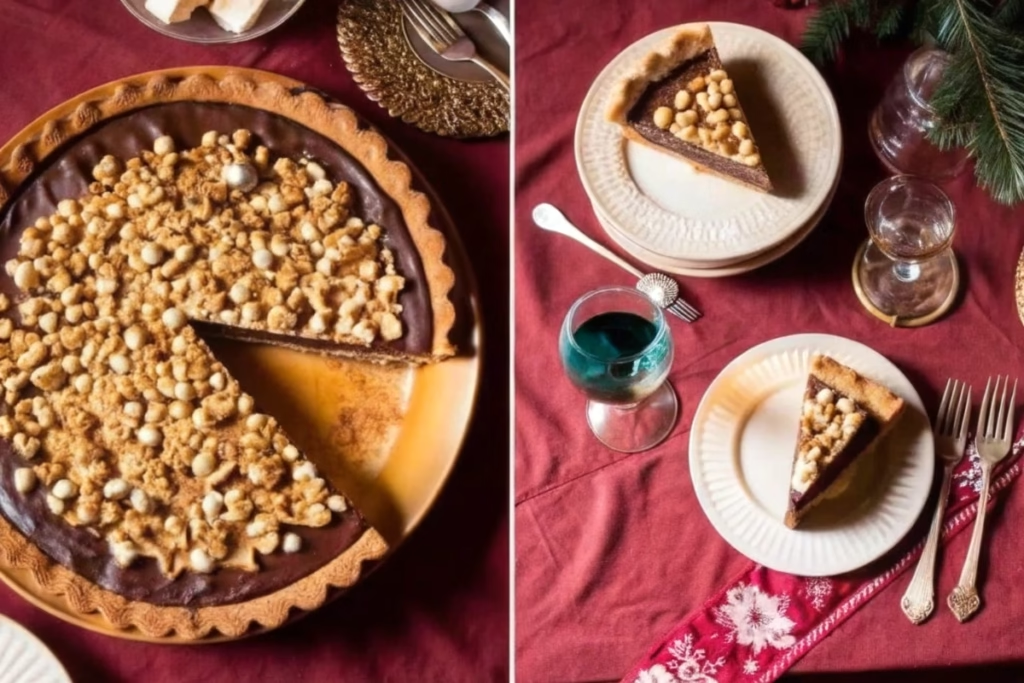
Table of Contents: Chocolate Tart and Zabaglione
Table of Contents: Chocolate Tart and Zabaglione
A Journey Through Italy’s Most Indulgent Dessert Duo
There are desserts that delight, and then there are desserts that transport you. The Chocolate Tart and Zabaglione fall firmly into the latter category — one bite, and you’re whisked straight to an Italian piazza, where rich cocoa mingles with the aroma of Marsala wine and warm vanilla custard.
This timeless combination — the deep richness of chocolate paired with the ethereal lightness of zabaglione — embodies Italian dessert philosophy at its best: balance, texture, and emotion through simplicity.
You’ll find the same principle echoed in the Classic Italian Tiramisu Recipe, where the interplay of coffee, mascarpone, and cocoa creates something greater than the sum of its parts. The Chocolate Tart and Zabaglione deliver that same harmony, in a form that’s as elegant as it is comforting.
🇮🇹 The History: Where Wine Met Chocolate
To understand why these two desserts pair so beautifully, it helps to look at their origins.
Zabaglione — or Zabaione in the Piedmontese dialect — dates back to the early Renaissance. Italian monks first documented whisking egg yolks, sugar, and sweet wine over gentle heat as early as the 1400s. What started as a nourishing tonic for nobility evolved into one of Italy’s most beloved custards.
Centuries later, when cocoa made its way to Europe, Italian confectioners fell in love with its earthy bitterness and silky texture. They began blending it into pastries, mousses, and crostate — giving birth to what we now call the Chocolate Tart.
The two desserts eventually met in Northern Italy, where chefs began serving a slice of crostata al cioccolato alongside a spoonful of warm zabaglione. The contrast was divine — the heaviness of the tart cut by the light foam of the custard.
If you’re fascinated by how old-world confections evolved into modern masterpieces, FreshPlatez’s Guide to Classic European Desserts dives deep into the origins of treats like panna cotta, tiramisu, and mille-feuille.
🍮 The Art of Zabaglione
At first glance, Zabaglione looks like a simple dessert. Three ingredients — egg yolks, sugar, and Marsala wine. But making it correctly is an act of precision and rhythm.
The secret lies in temperature control. The eggs must be whisked gently over simmering water, never boiling, to create a stable foam without curdling. The result? A luscious, golden custard that clings to the spoon yet feels feather-light on the palate.
Characteristics of Perfect Zabaglione:
- Airy, velvety, and glossy texture
- Subtle sweetness balanced by the Marsala’s nutty warmth
- Versatile enough to pair with fruit, cakes, or chocolate desserts
For dessert lovers who enjoy creamy comfort sweets, the Homemade Vanilla Pudding Recipe shares similar techniques for achieving silky smooth consistency without overheating the custard.
🍫 The Chocolate Tart: Bittersweet Perfection
If zabaglione is light and whimsical, the chocolate tart is its grounded counterpart — rich, structured, and deeply satisfying.
The Italian version uses dark chocolate with high cocoa content (usually 70% or more), which lends intensity without overwhelming sweetness. The crust — or pasta frolla — is a short, buttery pastry that balances the dense filling.
Key Components:
- Crisp tart shell (shortcrust pastry)
- Silky chocolate ganache filling
- Optional hint of espresso, orange zest, or sea salt
The ganache’s texture comes from emulsification, a process explained beautifully in the Ultimate Guide to Baking with Chocolate. When cream meets melted chocolate, the fat and water phases bind, creating a smooth, glossy finish.
🧂 Ingredients You’ll Need
For the Chocolate Tart:
- 200 g dark chocolate (70% cocoa or higher)
- 120 g unsalted butter
- 3 large eggs
- 100 g caster sugar
- 1 tbsp cocoa powder
- 1 tsp vanilla extract
- 1 prebaked tart shell
For the Zabaglione:
- 4 egg yolks
- 4 tbsp sugar
- 3 tbsp Marsala wine (or espresso for a non-alcoholic version)
- 1 tsp cocoa powder (optional)
🍳 Step-by-Step Preparation
Step 1: Bake the Tart Shell
- Combine flour, butter, and sugar until crumbly.
- Add cold water and form a dough. Chill for 30 minutes.
- Roll out and press into a tart tin.
- Bake at 180°C (350°F) until golden, about 15 minutes.
Step 2: Prepare the Chocolate Filling
- Melt dark chocolate and butter together slowly.
- Stir in sugar, eggs, cocoa powder, and vanilla extract.
- Pour into the shell and bake for 20–25 minutes, until just set.
Step 3: Whisk the Zabaglione
- Place egg yolks, sugar, and Marsala in a bowl over simmering water.
- Whisk constantly until pale and thickened (about 10 minutes).
- Serve immediately for warmth, or chill for a thicker texture.
Step 4: Assemble
- Plate a slice of Chocolate Tart beside a scoop of Zabaglione.
- Garnish with grated chocolate, berries, or candied orange peel.
☕ Expert Pairings and Serving Tips
For the best flavor experience:
- Serve warm zabaglione alongside room-temperature tart.
- Pair with Vin Santo, Marsala Superiore, or espresso.
- Garnish with crushed pistachios or sea salt flakes.
These pairings mirror those found in the Italian Coffee Desserts Collection, which showcases how coffee and cocoa bring balance to sweet Italian treats.
🍒 Variations Worth Trying
Modern chefs love to play with tradition. Here are a few inspired twists:
- Espresso Zabaglione: Substitute coffee for Marsala for an aromatic, bittersweet tone.
- Hazelnut Tart Base: Add ground nuts to the pastry for crunch and nutty depth.
- White Chocolate Zabaglione: A creamy contrast to dark tart filling.
- Vegan Option: Replace eggs with aquafaba and use coconut cream for ganache.
- Chocolate Orange Tart: Infuse zest and liqueur for citrus brightness.
Each of these variations adds new layers of flavor while maintaining Italian authenticity.
⚠️ Common Mistakes (and How to Fix Them)
Baking isn’t just art — it’s chemistry. Here are the top pitfalls to avoid:
- Overheating Zabaglione: Use gentle steam; direct heat scrambles the yolks.
- Overbaking Tart: A little jiggle in the center means it’s perfect — it firms as it cools.
- Grainy Ganache: Melt chocolate slowly and whisk continuously.
- Crumbly Pastry: Handle dough gently; overmixing activates gluten.
FreshPlatez’s Baking Science 101 explains how sugar, fat, and temperature interact — crucial knowledge for mastering desserts like this.
🍽️ Plating & Presentation: Turning Dessert into Art
Presentation elevates homemade desserts into showstoppers. Use these restaurant-inspired tips:
- Serve on white ceramic plates for contrast.
- Dust cocoa powder or edible gold leaf over the top.
- Use a squeeze bottle to drizzle raspberry coulis.
- Add edible flowers like violets or pansies for a romantic touch.
The contrast of dark chocolate, pale zabaglione, and bright garnishes creates a visual story — an edible symphony.
🔬 The Science Behind Zabaglione’s Foam
The magic of Zabaglione lies in its structure. As you whisk egg yolks and sugar, the proteins denature, trapping air and forming a network that gives stability. Gentle heat then coagulates those proteins, locking in that airy texture without collapsing it.
If heated too quickly, the proteins seize and create lumps. The solution? Slow, circular whisking — never aggressive.
This controlled foam structure is similar to the emulsions you’ll find in custards, sauces, and even mousse, making zabaglione a masterclass in pastry physics.
🧁 Nutrition Profile
While indulgent, both components are portion-friendly when served small:
- Calories: ~450 per serving
- Protein: 6 g
- Fat: 28 g
- Carbohydrates: 38 g
💡 Tip: Make them in mini tart shells for elegant dinner party portions.
🍷 Pairing with Drinks and Desserts
To complete your Italian feast, try these combinations:
- Marsala wine — the natural partner.
- Affogato al Caffè — espresso poured over gelato for contrast.
- Vin Santo — a nutty Tuscan dessert wine that enhances cocoa bitterness.
- Cappuccino mousse or panna cotta as lighter companions.
For pairing inspiration, see FreshPlatez’s Pairing Coffee and Desserts Like a Pro.
🏺 Regional Twists Across Italy
Different Italian regions add their own touch to these desserts:
- Piedmont: Uses Moscato d’Asti instead of Marsala for fruity notes.
- Veneto: Adds Amaretto liqueur and almond biscotti crumbs.
- Tuscany: Incorporates olive oil into tart dough for unique richness.
- Sicily: Adds orange blossom water and candied citrus peel.
This regional adaptability is part of what makes Italian pastry culture so beloved — each area contributes its own flavor identity.
❓ Frequently Asked Questions
Q1. What’s the difference between Zabaglione and Sabayon?
Sabayon is the French adaptation of Zabaglione, often made with Champagne or white wine.
Q2. Can I prepare Zabaglione without alcohol?
Yes — use espresso, orange juice, or spiced syrup as alternatives.
Q3. What chocolate works best for the tart?
Use bittersweet dark chocolate (65–75%) for richness and balance.
Q4. Can I make it ahead?
Yes. Bake the tart a day before, and whisk the zabaglione fresh before serving.
Q5. How should I store leftovers?
Refrigerate covered for up to three days. Re-whisk zabaglione gently before serving.
❤️ Why This Dessert Endures
The Chocolate Tart and Zabaglione endure not just for their flavors, but for what they represent: the beauty of balance. Dense meets airy, cold meets warm, and sweetness meets restraint.
In the end, it’s more than a dessert — it’s a dialogue between texture and tradition, between indulgence and refinement.
As the Guide to Classic European Desserts reminds us, the greatest sweets are those that connect us to history while inspiring creativity in every kitchen.
PrintChocolate Tart and Zabaglione
- Total Time: 35 minutes
- Yield: 6 servings 1x
- Diet: Vegetarian
Description
An elegant chocolate tart paired with a light and creamy zabaglione, combining rich chocolate flavor with a classic Italian custard sauce.
Ingredients
- 1 prepared chocolate tart shell
- 8 oz dark chocolate, chopped
- 1/2 cup heavy cream
- 2 tablespoons butter
- 3 large egg yolks
- 1/4 cup granulated sugar
- 1/4 cup Marsala wine
- Cocoa powder for dusting
Instructions
- Heat heavy cream in a saucepan until just simmering.
- Pour hot cream over chopped chocolate and butter, stirring until smooth.
- Pour chocolate mixture into tart shell and refrigerate until set.
- In a heatproof bowl, whisk egg yolks and sugar until pale.
- Add Marsala wine and place bowl over simmering water.
- Whisk continuously until thick, pale, and foamy.
- Remove from heat and continue whisking briefly.
- Serve chocolate tart slices with warm zabaglione on the side.
- Dust with cocoa powder before serving.
Notes
Serve the zabaglione warm for best texture. The tart can be made ahead and chilled overnight.
- Prep Time: 20 minutes
- Cook Time: 15 minutes
- Category: Dessert
- Method: Stovetop
- Cuisine: Italian
Nutrition
- Serving Size: 1 slice with sauce
- Calories: 430
- Sugar: 22g
- Sodium: 120mg
- Fat: 28g
- Saturated Fat: 16g
- Unsaturated Fat: 10g
- Trans Fat: 0g
- Carbohydrates: 38g
- Fiber: 3g
- Protein: 7g
- Cholesterol: 165mg
Keywords: chocolate tart, zabaglione, italian dessert, chocolate dessert


