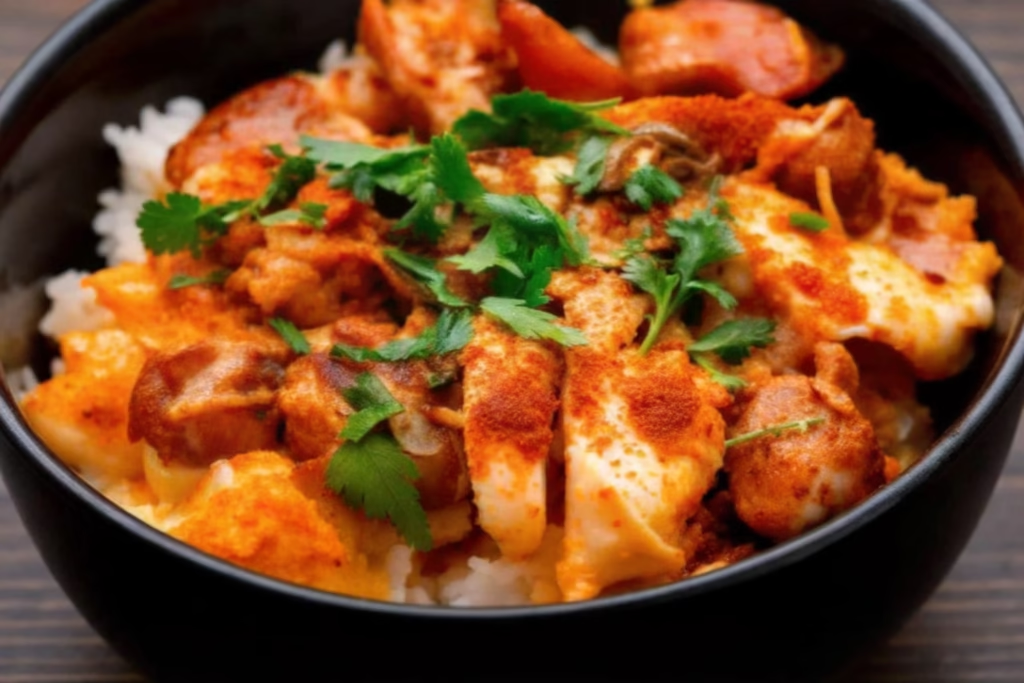
Table of Contents: Best Oyakodon Recipe (Chicken & Egg Donburi)
Table of Contents: Best Oyakodon Recipe (Chicken & Egg Donburi)
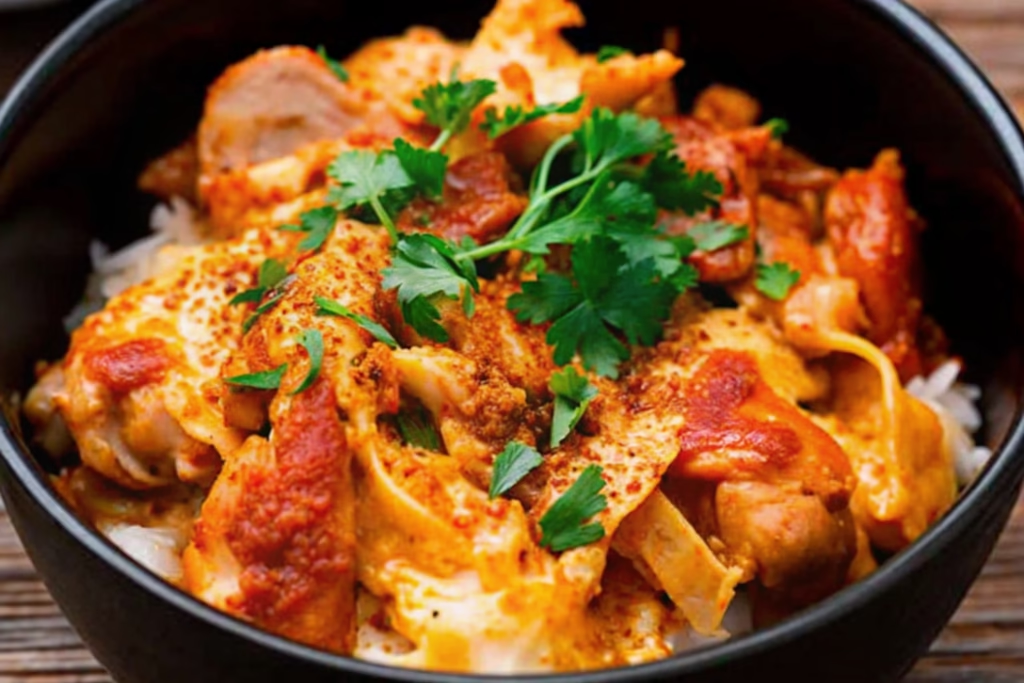
Few dishes embody the comforting simplicity of Japanese home cooking quite like Oyakodon — the chicken and egg rice bowl that has warmed hearts across Japan for over a century. With its tender chicken simmered in dashi, gently cooked eggs, and steamy bowl of rice, Oyakodon is the perfect blend of comfort, nutrition, and umami flavor.
This is not just another chicken-and-rice meal — it’s a small ritual of balance and warmth that brings harmony to your table.
🇯🇵 The Origin of Oyakodon: A Bowl of Family and History
The name Oyakodon (親子丼) directly translates to “parent-and-child bowl.” It’s poetic and profound — representing chicken (the parent) and egg (the child) coming together in a dish that symbolizes unity and nourishment.
The dish traces its roots back to the late 19th century, in Tokyo’s Nihonbashi district. The story goes that a soba restaurant owner wanted to use up leftover chicken from another dish and decided to simmer it with onions and eggs, then serve it over rice. The result? A comforting meal that quickly became a nationwide favorite.
Unlike the showy sushi or complex ramen, Oyakodon celebrates minimalism. It’s humble, but perfectly balanced — the essence of washoku (traditional Japanese cuisine).
If you enjoy exploring global comfort food, try FreshPlatez’s authentic Filipino chicken noodle dish or Vietnamese chicken noodle salad — both share Oyakodon’s philosophy of simple ingredients cooked with intention.
🍲 Why This Oyakodon Recipe Is the Best
There are countless Oyakodon recipes online, but many miss what makes this dish shine — texture and timing. The secret lies in the custardy eggs and the balance of sweetness and saltiness in the sauce.
Here’s why this version stands above the rest:
- 🕰 Quick: Ready in just 25 minutes — ideal for weeknights.
- 🍗 Juicy Chicken: Using thighs gives richness and tenderness.
- 🥚 Soft Eggs: Lightly cooked eggs create a velvety sauce-like layer.
- 🍶 Balanced Flavor: A perfect mix of soy, mirin, and dashi gives that signature umami depth.
- 🍚 Authentic Technique: Cooked in layers, not scrambled together.
If you like one-pan meals, you’ll love this easy honey glazed chicken dinner — it uses similar flavor notes and minimal cleanup.
🧂 Ingredients You’ll Need
You don’t need fancy ingredients, but attention to quality makes a difference. Japanese cuisine thrives on balance and purity, so choose good basics.
🐔 Main Ingredients
- 200g chicken thighs (boneless, skin removed, sliced into 1-inch pieces)
- 3 large eggs, lightly beaten
- ½ medium onion, thinly sliced
- 1 ½ cups cooked short-grain rice (warm)
🍶 The Sauce (Warishita)
- ½ cup dashi stock (kombu or instant granules are fine)
- 2 tbsp soy sauce (use a light, not dark soy)
- 1 ½ tbsp mirin
- 1 tsp sugar
- 1 tsp sake (optional for extra aroma)
🔎 Pro tip: You can adjust sweetness by adding more mirin, or depth by using aged soy sauce.
🌿 Garnishes
- Fresh mitsuba leaves or spring onions
- Sprinkle of shichimi togarashi (optional for spice)
- Nori strips or toasted sesame seeds (optional)
🍳 Step-by-Step Cooking Instructions
Follow these steps carefully — the magic of Oyakodon lies in pacing.
1️⃣ Prep the Ingredients
Slice your chicken and onions evenly for consistent cooking.
Beat the eggs lightly; don’t whisk too much. You want streaks of yellow and white for texture.
2️⃣ Make the Sauce Base
In a small bowl, mix:
- Dashi, soy sauce, mirin, sake, and sugar.
Taste it — it should be a little sweeter than you’d expect. The rice will absorb the balance later.
3️⃣ Cook the Onions and Chicken
In a donburi pan (or small skillet), add onions and sauce. Simmer for 2 minutes.
Add chicken pieces and cook gently over medium heat until they’re tender and cooked through.
4️⃣ Pour the Eggs
Pour half of the beaten eggs in a circular motion. Let them set slightly.
Add the remaining eggs and cover the pan for 45–60 seconds.
The result should be silky, custard-like eggs, slightly runny on top.
5️⃣ Assemble and Serve
Scoop hot rice into a bowl, slide the Oyakodon mixture over it, and top with mitsuba or green onions.
Serve immediately while the eggs are still glossy and warm.
🍴 The Science Behind Perfect Oyakodon
The key to perfect Oyakodon is heat control. The eggs should be cooked gently — almost steamed by the heat of the simmering broth.
Why?
- Low heat preserves moisture in the chicken.
- Gentle cooking sets the eggs slowly, giving that luscious texture.
- The sauce thickens naturally from the egg proteins without needing cornstarch.
Unlike Western scrambled eggs, Japanese-style eggs are barely cooked — more of a sauce than a solid. That’s what makes Oyakodon unique.
🍱 Serving Ideas & Pairings
Oyakodon pairs beautifully with traditional Japanese sides or even pan-Asian additions. Try combining it with:
- 🥢 Miso soup
- 🥗 Cucumber sunomono (vinegared salad)
- 🍵 Green tea or iced barley tea
- 🍢 Spinach goma-ae (spinach with sesame dressing)
For a full comfort meal night, serve Oyakodon with homemade chicken ramen — it shares similar flavors of soy and dashi, making it a perfect pairing.
🌶 Creative Twists and Modern Variations
Oyakodon is versatile. Once you’ve nailed the basics, try experimenting:
🔥 Spicy Oyakodon
Add a dash of rayu (chili oil) or sprinkle shichimi togarashi.
🧈 Creamy Western Twist
Add a teaspoon of butter at the end for richness.
🍄 Vegetarian “Oyakodon”
Swap chicken for shiitake mushrooms or tofu, and use vegetable dashi.
🍤 Seafood Version
Use shrimp or salmon instead of chicken — known as Uyakodon.
🥑 Modern Fusion
Top with avocado slices or sesame dressing for a California-inspired donburi.
🧘 Nutritional Breakdown (Per Serving)
| Nutrient | Amount | Notes |
|---|---|---|
| Calories | ~490 kcal | Moderate and satisfying |
| Protein | 34g | High-quality protein from eggs & chicken |
| Fat | 15g | Mostly healthy fats |
| Carbohydrates | 45g | From rice and onions |
| Sodium | 720mg | Can adjust with low-sodium soy |
| Sugar | 5g | From mirin and onion sweetness |
Oyakodon is naturally well-balanced — lean protein, complex carbs, and good fats. It’s ideal for anyone seeking nutritious comfort food.
🍚 Cooking Tips from Japanese Chefs
- Use a small pan: Cook one serving at a time for best texture.
- Let the eggs rest: After turning off the heat, let the mixture sit covered for 20 seconds.
- Don’t overmix: A light swirl ensures the eggs stay marbled.
- Invest in good rice: Japanese short-grain rice has the perfect sticky texture.
- Adjust broth intensity: More dashi for light flavor, more soy for deeper umami.
⚠️ Common Mistakes and How to Avoid Them
| Mistake | Why It Happens | Fix |
|---|---|---|
| Eggs turn rubbery | Heat too high | Lower the heat and shorten cook time |
| Chicken tastes bland | No marination | Add soy-sake pre-marination |
| Too salty | Overuse of soy | Dilute with more dashi or a drop of water |
| Sauce too thin | Eggs overcooked | Stop cooking just before eggs fully set |
🍛 How to Store and Reheat
While Oyakodon is best fresh, you can store leftovers properly:
- Store chicken mixture (without rice) in an airtight container for up to 2 days.
- Reheat gently over low heat — don’t microwave too long.
- Add a splash of water or dashi to keep it moist.
- Cook eggs fresh each time for that signature texture.
🌏 Related Dishes You’ll Love
If Oyakodon speaks to your soul, try other one-bowl wonders from around Asia:
- 🥘 Authentic Tandoori Chicken Recipe — a smoky, vibrant Indian classic.
- 🍗 Easy Honey Glazed Chicken — the perfect sweet-savory chicken dish.
- 🍜 Homemade Chicken Ramen — for noodle nights full of umami.
Each of these complements Oyakodon beautifully, giving you a complete Asian-inspired dinner rotation.
💬 FAQs
🥚 Can I make Oyakodon with chicken breast?
Yes, but it’s leaner. Marinate longer and cook shorter to prevent dryness.
🍚 What kind of rice should I use?
Use short-grain Japanese rice (like Koshihikari or Calrose). Its sticky texture absorbs sauce beautifully.
🍶 Can I replace mirin?
If you don’t have mirin, use a mix of sake + a pinch of sugar.
🧂 How salty should the sauce taste?
It should taste slightly stronger than normal — the rice balances it out later.
🕰 How long can I store leftovers?
2 days refrigerated. Reheat gently with a splash of water or broth.
🧑🍳 Can I double the recipe?
Yes! But cook each portion separately — overcrowding prevents the right texture.
🍳 Can I make it without alcohol?
Yes. Skip the sake and add extra mirin or chicken broth for flavor depth.
🏮 Oyakodon: The Soul of Japanese Comfort Food
At its heart, Oyakodon represents what Japanese cooking is all about — balance, care, and minimalism. It’s made with humble ingredients but delivers a soulful richness that’s unforgettable.
The best part? You don’t need to be a professional chef. All it takes is attention to detail, a little patience, and quality ingredients.
Serve this best Oyakodon recipe when:
- You need a quick, wholesome meal.
- You’re craving something comforting but light.
- You want to bring a taste of Japan into your home.
Pair it with a simple side and some hot green tea, and you’ll understand why this dish has endured for generations.
🧡 Final Thoughts
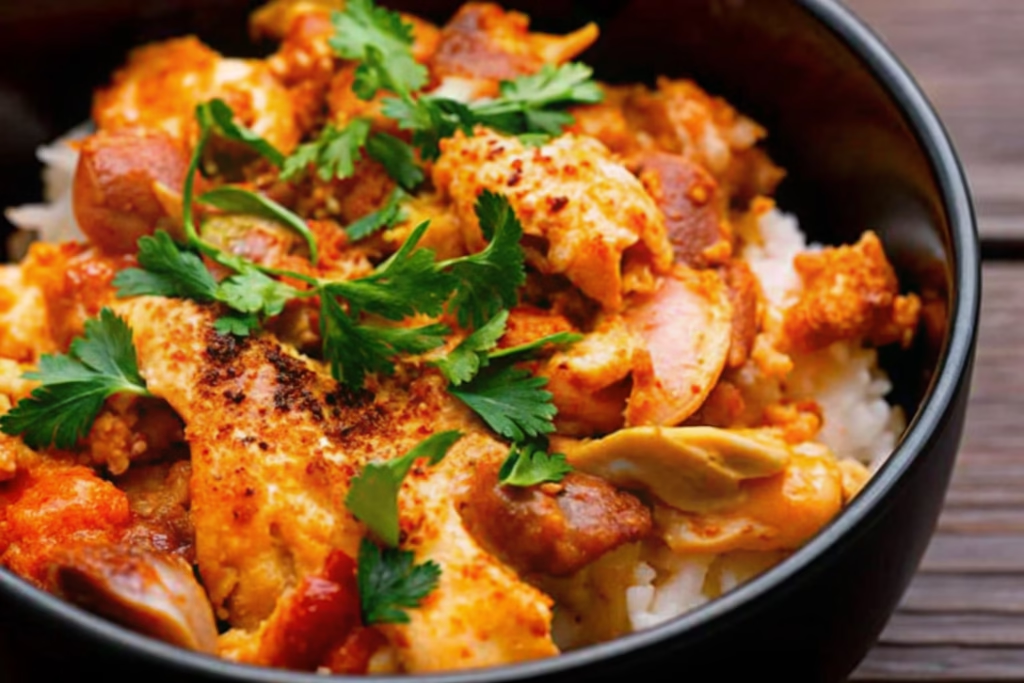
Cooking Oyakodon isn’t just about following a recipe — it’s about embracing the Japanese idea of shokunin (craftsmanship). Every step, from slicing the onions to gently swirling the eggs, is an act of mindfulness.
So tonight, skip the takeout. Make your own Oyakodon.
Let the steam rise, the soy aroma fill your kitchen, and savor the moment — one warm, comforting spoonful at a time.
Best Oyakodon Recipe (Chicken & Egg Donburi)
- Total Time: 25 minutes
- Yield: 2 portions 1x
Description
Un grand classique japonais simple et réconfortant, composé de poulet tendre et d’œufs soyeux mijotés dans une sauce légèrement sucrée, servis sur un bol de riz chaud.
Ingredients
- 450 g de blancs ou hauts de cuisses de poulet coupés en morceaux
- 1 oignon moyen émincé
- 4 œufs
- 1/2 tasse de dashi ou bouillon léger
- 3 cuillères à soupe de sauce soja
- 2 cuillères à soupe de mirin
- 1 cuillère à soupe de sucre
- 2 tasses de riz japonais cuit
- Ciboulette ou oignon vert émincé
Instructions
- Dans une poêle, mélanger le dashi, la sauce soja, le mirin et le sucre.
- Ajouter l’oignon et porter à frémissement.
- Incorporer le poulet et cuire 5 à 7 minutes jusqu’à ce qu’il soit tendre.
- Battre légèrement les œufs dans un bol.
- Verser les œufs sur le poulet sans trop mélanger.
- Couvrir et cuire à feu doux jusqu’à ce que les œufs soient juste pris.
- Répartir le mélange sur le riz chaud.
- Garnir de ciboulette ou d’oignon vert avant de servir.
Notes
Ne pas trop cuire les œufs pour conserver leur texture fondante et traditionnelle.
- Prep Time: 10 minutes
- Cook Time: 15 minutes
- Category: Plat Principal
- Method: À la poêle
- Cuisine: Japonaise
Nutrition
- Serving Size: 1 bol
- Calories: 520
- Sugar: 6g
- Sodium: 780mg
- Fat: 18g
- Saturated Fat: 4g
- Unsaturated Fat: 11g
- Trans Fat: 0g
- Carbohydrates: 56g
- Fiber: 2g
- Protein: 34g
- Cholesterol: 310mg
Keywords: oyakodon, donburi, poulet et œuf, cuisine japonaise, bol de riz


